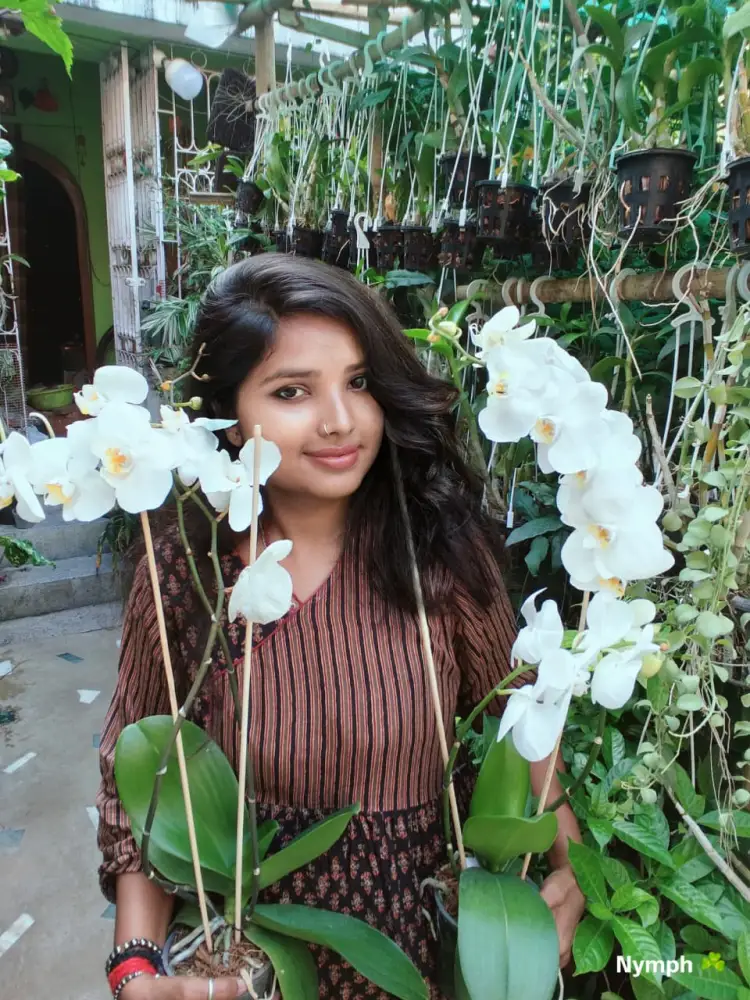
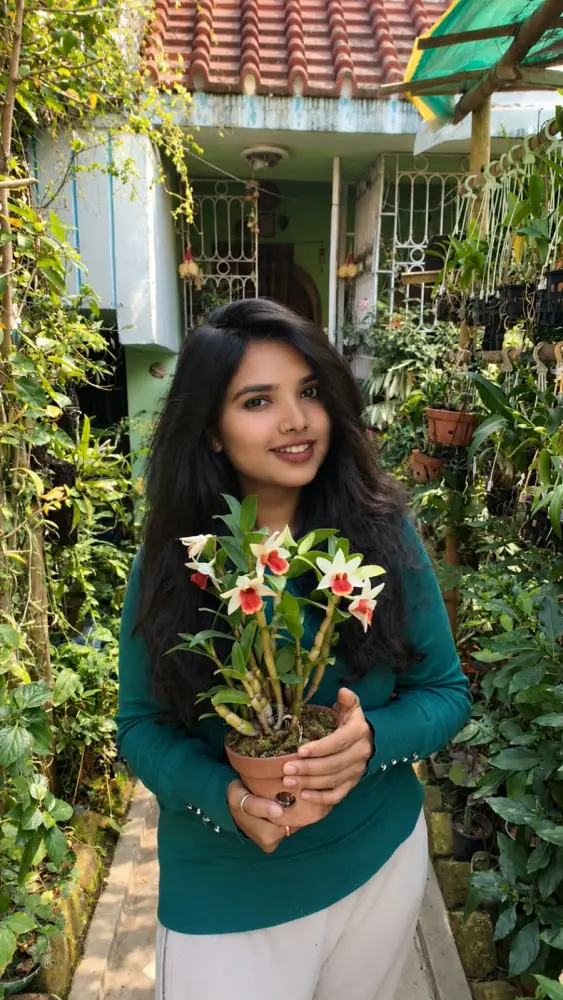
 DENDROBIUM ORCHIDS
DENDROBIUM ORCHID CARE
Dendrobium orchids are beautiful and rewarding plants to grow. With the right potting medium, adequate light, proper watering, nutrition, and good air circulation, even beginners can successfully grow Dendrobium seedlings at home.
This simple care guide will help you understand the basic requirements of a young Dendrobium orchid.
🌱 1. Choosing the Right Pot
For a Dendrobium seedling, we recommend using a 3–4 inch orchid pot with sufficient drainage holes.
A pot that is too large can retain excess moisture for a longer period and may increase the risk of root problems. Choose a pot that is appropriate for the size of the plant and allows excess water to drain freely.
🪴 2. Recommended Potting Medium
Dendrobiums prefer a well-draining, airy potting medium. Their roots need moisture, but they also need plenty of air circulation.
Our Recommended Potting Mix
- 60% Charcoal
- 20% Pine Bark
- 20% Clay Balls
This combination provides good drainage and aeration while retaining enough moisture for healthy root development.
Make sure the potting materials are clean and suitable for orchid cultivation before use.
Important Tip
Do not keep the growing medium constantly wet. Allow it to begin drying before watering again.
☀️ 3. Light Requirements
Dendrobiums need bright, filtered light for healthy growth.
Gentle morning sunlight is beneficial, while harsh afternoon sunlight should be avoided, particularly for young seedlings.
Place your orchid where it receives plenty of bright light without being exposed to intense direct sunlight for long periods.
During Extreme Summer Heat
When temperatures become extremely high, particularly around 40°C or above, young plants may require additional protection from scorching heat.
A 50–75% shade net can be used depending on the intensity of sunlight and your growing environment.
Remember that shade should not mean darkness. The plant still needs sufficient bright light and good air circulation.
💧 4. Watering Your Dendrobium
Watering is one of the most important aspects of orchid care.
There is no fixed watering schedule that works for every environment. Temperature, humidity, airflow, pot size, and the type of growing medium all affect how frequently your orchid needs water.
A simple rule for beginners:
Water thoroughly when the potting medium has started to dry, and allow excess water to drain completely.
During hot summer weather, your orchid may require more frequent watering.
During monsoon or periods of high humidity, watering may be required less frequently because the growing medium can remain moist for longer.
Avoid keeping the roots continuously wet or waterlogged.
Best Time to Water
Whenever possible, water in the morning so that excess moisture can evaporate during the day.
🌿 5. Fertilizing Dendrobium Seedlings
Young Dendrobium plants benefit from regular but properly diluted nutrition during active growth.
For general vegetative growth, you can use a balanced NPK fertilizer such as 19:19:19 or 20:20:20, following the manufacturer's recommended dilution.
You can also use liquid seaweed extract as a supplement, according to the instructions provided on the product label.
Remember:
More fertilizer does not mean faster growth.
Always use the recommended dilution and avoid applying concentrated fertilizer directly to the roots or leaves.
Occasionally watering with plain water can also help flush accumulated fertilizer salts from the growing medium.
🍃 6. Preventing Fungal Problems
Warm, humid and poorly ventilated conditions can increase the risk of fungal problems, particularly during the monsoon season.
The best way to prevent problems is to maintain good growing conditions:
- Ensure good air circulation.
- Avoid overwatering.
- Use a well-draining potting medium.
- Provide adequate light.
- Avoid overcrowding plants.
- Remove dead or damaged plant material.
- Keep the growing area clean.
Fungicides such as SAAF, Amistar Top, or Ridomil Gold may be used for appropriate fungal or disease problems, but they should not be used routinely without identifying the problem.
Always follow the product label for the correct dilution, application method, frequency, safety precautions, and permitted use.
🌡️ 7. Temperature, Humidity & Air Circulation
Dendrobiums generally appreciate warm conditions, adequate humidity, and good air movement.
During summer, protect young plants from extreme heat and harsh sunlight.
During monsoon, humidity may already be high, so maintaining good ventilation becomes especially important.
Good airflow is essential for maintaining healthy roots and reducing the risk of fungal problems.
🌱 8. How to Identify a Healthy Dendrobium Seedling
A healthy Dendrobium seedling should gradually show signs of active growth, such as:
- New leaves
- New roots
- Firm pseudobulbs
- Healthy green foliage
- Steady new growth
Healthy root development is particularly important for young orchids.
Avoid disturbing the roots unnecessarily. If your plant is producing new roots and leaves, it is generally a positive indication that the growing conditions are suitable.
🌿 A Simple Care Routine for Beginners
Requirement| Recommendation
Pot| 3–4 inch orchid pot with good drainage
Potting Mix| 60% charcoal + 20% pine bark + 20% clay balls
Light| Bright filtered light with gentle morning sunlight
Watering| Water when the medium begins to dry
Fertilizer| Balanced NPK such as 19:19:19 or 20:20:20, according to label directions
Supplement| Liquid seaweed according to product instructions
Airflow| Good ventilation is essential
Summer Protection| Use appropriate shade protection during extreme heat
Monsoon Care| Reduce unnecessary watering and maintain good airflow
🌸 Common Mistakes to Avoid
❌ Overwatering
Do not water simply because it is a particular day. Check the condition of the growing medium first.
❌ Keeping the orchid in darkness
Dendrobiums need bright light for healthy growth.
❌ Using an oversized pot
A large pot can hold excess moisture around the roots.
❌ Excessive fertilizer
Too much fertilizer can damage the roots and leaves.
❌ Poor ventilation
High humidity combined with stagnant air can encourage fungal and bacterial problems.
❌ Harsh afternoon sunlight
Young seedlings can suffer from leaf scorching when exposed to intense direct sunlight.
🌿 Keep It Simple
Growing a Dendrobium orchid does not have to be complicated.
Focus on these five basic requirements:
Bright Light + Airy Potting Medium + Proper Watering + Balanced Nutrition + Good Air Circulation
With consistent care and the right growing conditions, your Dendrobium seedling can gradually develop a healthy root system, produce new growth, and grow into a beautiful mature orchid.
🛒 Everything You Need for Your Dendrobium Orchid
Looking for the right supplies for your orchid?
You can find our recommended orchid pots, charcoal, pine bark, clay balls, fertilizers, seaweed supplements, and Dendrobium seedlings directly on our website.
Shop your orchid-growing essentials at Nymph of Nature.
🌿 Nymph – The Spirit of Nature