 ORCHID
Phalaenopsis Orchid Care Guide for Beginners
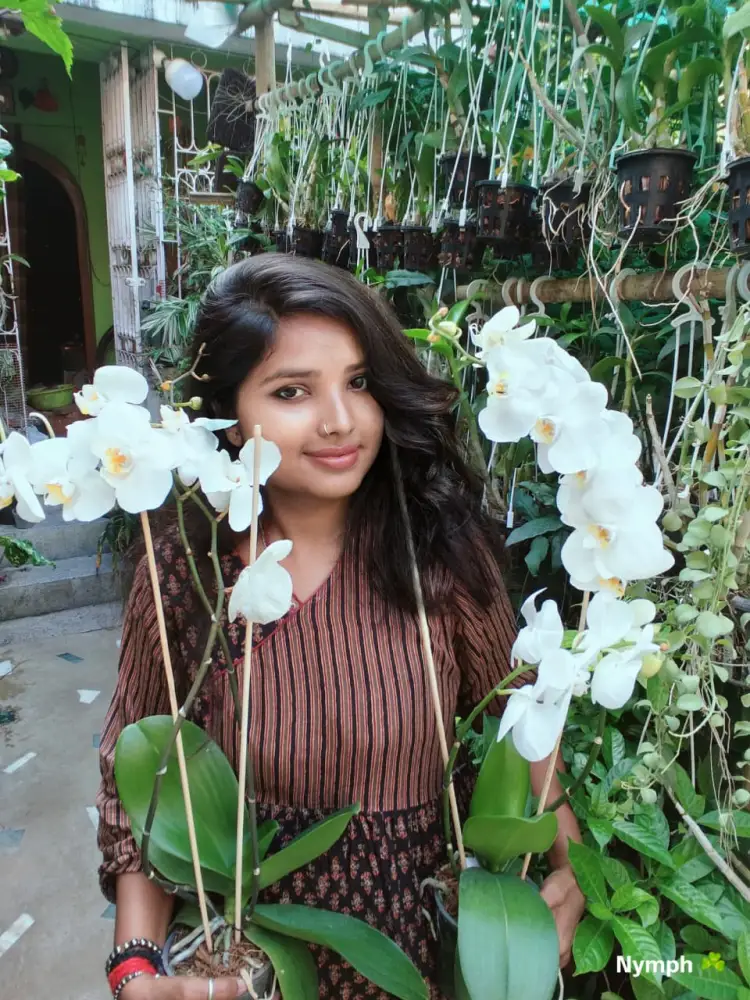
If you’ve always wanted to grow an orchid but feel that orchids are difficult to maintain, Phalaenopsis orchids are a great place to start.
Also known as Moth Orchids, Phalaenopsis are beautiful, adaptable, and relatively easy to care for once you understand their basic requirements. With the right light, watering routine, potting medium, and good air circulation, even beginners can grow healthy Phalaenopsis orchids at home.
1. Choosing the Right Pot
One of the most important things when growing Phalaenopsis orchids is choosing a suitable pot.
For seedlings
- Use a 3–4 inch transparent orchid pot.
- Make sure the pot has plenty of drainage holes.
For mature plants
- A 5–6 inch transparent orchid pot is generally suitable, depending on the size of the plant and its root system.
- Avoid choosing an unnecessarily large pot.
Why a transparent pot?
Phalaenopsis orchids have photosynthetic roots, so their roots can contribute to photosynthesis when exposed to light. A transparent pot also makes it much easier to observe the roots and check the moisture level of the potting medium.
Healthy roots are usually firm and may appear green when wet and silvery or whitish when dry.
2. Potting Medium
Phalaenopsis orchids need a loose, airy, and well-draining potting medium because their roots require good airflow.
You can use a mixture of:
- Pine bark
- Charcoal
- Clay balls
These materials can be used in different proportions depending on your growing conditions, climate, watering habits, and the size of the plant.
The most important thing is to avoid a dense medium that remains wet for a long time.
Good drainage and air circulation around the roots are more important than following one fixed ratio.
3. How to Position the Plant
When repotting, position the plant so that water does not collect around the crown, which is the central growing point where the leaves emerge.
You can keep the plant slightly tilted if necessary to help excess water drain away.
Very important:
Never allow water to remain trapped between the leaves or in the crown.
After watering or spraying, make sure the crown and leaf axils can dry properly with good air circulation. Water sitting in the crown for long periods can increase the risk of crown rot.
4. Can Phalaenopsis Orchids Be Mounted?
Yes!
Phalaenopsis orchids can also be grown as mounted orchids on suitable materials such as:
- Wooden pieces
- Tree branches
- Fern blocks or similar mounting materials
Mounted orchids generally dry faster than potted orchids, so they may require more frequent watering depending on the weather and humidity.
5. Light Requirements
Phalaenopsis orchids do not enjoy scorching, intense midday sunlight.
They prefer:
Bright, indirect light or gentle morning sunlight.
A location receiving soft morning sunlight with protection from harsh afternoon sun can work very well.
Too much direct, intense sunlight can cause leaf scorching and stress the plant.
If the leaves are becoming very dark green and the plant is producing little growth or flowering poorly, it may need more light. On the other hand, yellow, bleached, or scorched patches can indicate excessive light.
6. Watering Your Phalaenopsis Orchid
There is no single watering schedule that works for every Phalaenopsis orchid.
Watering depends on:
- Temperature
- Humidity
- Season
- Potting medium
- Pot size
- Air circulation
- Plant size
Instead of following a fixed calendar, check the potting medium and roots before watering.
If the medium is still wet, allow it to dry somewhat before watering again.
During hot and dry weather, the plant may need water more frequently. During the monsoon or cooler periods, watering may need to be reduced because the medium can remain wet for longer.
Remember:
Never let the roots sit in stagnant water.
Good drainage is essential for healthy Phalaenopsis orchids.
7. Be Careful During the Monsoon
Monsoon weather can be challenging because high humidity combined with poor air circulation and prolonged wetness can encourage fungal and bacterial problems.
For newly purchased, young, or recently repotted plants, avoid keeping the plant constantly wet during prolonged rainy periods.
If your orchid is exposed to rain, make sure:
- Water does not remain trapped in the crown.
- The pot drains freely.
- The plant receives adequate air circulation.
- The potting medium is not continuously saturated.
Once a mature, healthy plant is well established, occasional rain exposure can be tolerated in suitable conditions, but prolonged waterlogging should still be avoided.
8. Preventing Fungal Problems
Good orchid care starts with prevention.
To reduce the risk of fungal and bacterial problems:
- Avoid overwatering.
- Maintain good air circulation.
- Keep the crown dry.
- Remove dead or decaying plant material.
- Avoid keeping the plant in constantly wet conditions.
- Keep sufficient space between plants.
Fungicides may be used when appropriate, but they should not replace good cultural practices. If you use a fungicide, always follow the product label, recommended dilution, safety instructions, and local directions for orchid use.
9. How Long Does a Phalaenopsis Flower Last?
One of the biggest attractions of Phalaenopsis orchids is their long-lasting flowers.
Under suitable conditions, individual Phalaenopsis flower displays can remain attractive for several weeks to a few months, depending on the plant, variety, environment, and care.
This is one reason Phalaenopsis is such a popular orchid for beginners.
Compared with many other commonly grown orchids, Phalaenopsis can provide a particularly long-lasting floral display.
10. How Long Does It Take for a Phalaenopsis Seedling to Flower?
This depends greatly on the age and size of the seedling when you purchase it, as well as its growing conditions.
Healthy young plants can grow relatively quickly under suitable conditions, but flowering time should not be treated as a fixed number of months.
With proper:
- Light
- Temperature
- Watering
- Nutrition
- Air circulation
- Root development
your Phalaenopsis can gradually mature and eventually produce beautiful flower spikes.
Patience is an important part of growing orchids. 🌱
11. Fertilizing Phalaenopsis Orchids
During active growth, Phalaenopsis orchids benefit from regular but balanced nutrition.
A balanced orchid fertilizer such as 19-19-19 or 20-20-20 can be used appropriately and at a suitable dilution.
Always follow the fertilizer manufacturer's instructions rather than assuming that a stronger solution will produce faster growth.
It is also important to avoid applying fertilizer to completely dry roots, as concentrated fertilizer can damage them.
Phalaenopsis Orchid Care at a Glance 🌿
Requirement| What Phalaenopsis Needs
Pot| Transparent, well-draining orchid pot
Seedling Pot| Around 3–4 inches, depending on plant size
Mature Pot| Around 5–6 inches, depending on root system
Light| Bright indirect light / gentle morning sunlight
Watering| Water according to medium, weather and plant condition
Potting Medium| Airy and well-draining
Humidity| Moderate to high, with good air circulation
Crown| Keep free from standing water
Fertilizer| Balanced fertilizer during active growth
Monsoon Care| Reduce prolonged wetness and improve airflow
Final Thoughts 🌸
If you’ve always thought that orchids are difficult to grow, give Phalaenopsis a try.
They are beautiful, rewarding, and surprisingly manageable once you understand their basic requirements.
With the right amount of light, proper watering, an airy potting medium, good drainage, and a little patience, you can enjoy healthy plants and stunning flowers at home.
And once your Phalaenopsis starts blooming, you may understand why orchid lovers become completely obsessed with them. 💚🌸
Want to Grow Phalaenopsis Orchids?
Looking for Phalaenopsis orchids, seedlings, potting materials, fertilizers, and other orchid-growing essentials?
Explore our collection at Nymph of Nature. We have a variety of orchids and growing supplies to help you build your own orchid collection.
Shop now and bring the beauty of Phalaenopsis orchids into your home. 🌿🌸Phalaenopsis Orchid Care Guide for Beginners 🌸If you’ve always wanted to grow an orchid but feel that orchids are difficult to maintain, Phalaenopsis orchids are a great place to start.If you’ve always wanted to grow an orchid but feel that orchids are difficult to maintain, Phalaenopsis orchids are a great place to start.